of Commitment to Social Good and Education

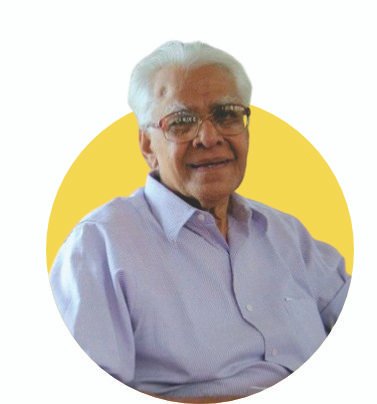
Shri Anil Bordia, a visionary educationist and social activist, founded SANDHAN and played a key role in shaping India’s National Policy on Education (1986) during his tenure as Education Secretary in MHRD. He championed grassroots reforms, launching transformative programs like Shiksha Karmi and Lok Jumbish to improve primary education in underserved regions. In 2001, he initiated Doosra Dashak, focusing on holistic development for adolescents aged 11–20. His work earned national and international acclaim, including the Padma Bhushan (2010), UNESCO’s Avicenna Gold Medal (1999), and a fellowship at UNESCO’s Asia-Pacific Centre (1996). Shri Bordia’s ideals continue to guide Doosra Dashak and SANDHAN, which now serves as a resource agency for innovative educational initiatives, emphasizing teacher training, textbook development, and inclusive education. His legacy reflects a lifelong commitment to equity, community participation, and educational empowerment across India.
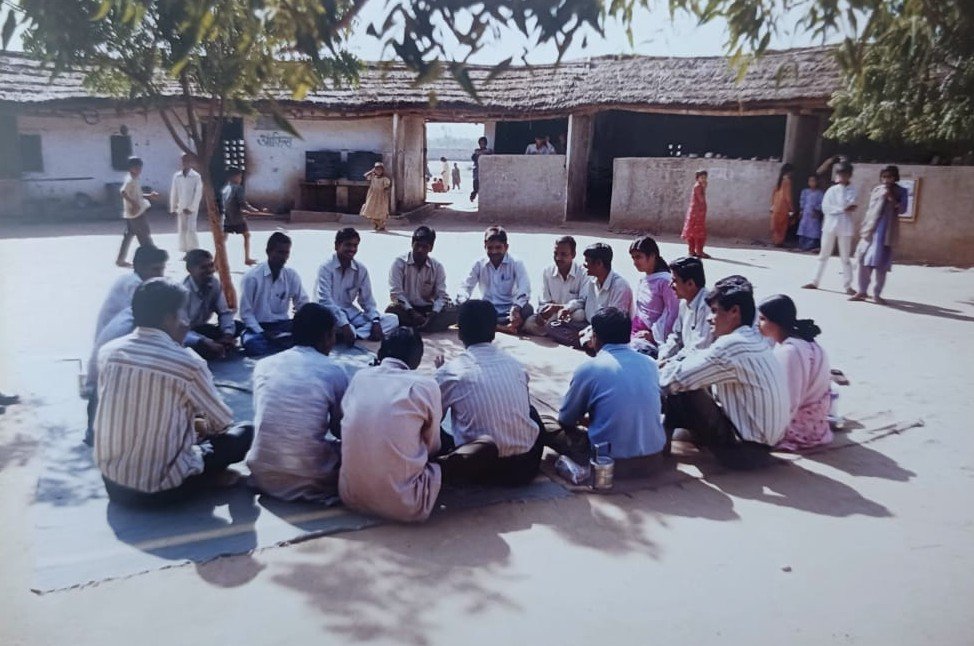
In 1983, the late Shri Anil Bordia laid the foundation of Sandhan with the vision of creating an academic platform where educators, social workers, and grassroots practitioners could come together to explore and implement meaningful alternatives for social development and education. The name “Sandhan,” derived from Sanskrit, signifies alignment, aiming, and focused effort. It symbolizes not only precision—as seen in traditional archery—but also a dedicated pursuit of knowledge, innovation, and transformation. Rooted in these values, Sandhan continues to serve as a space for reflection, dialogue, and collective action toward inclusive education and sustainable development.
Sandhan is a premier national NGO working at the intersection of education and development, with a focus on socially and economically disadvantaged communities. Initially known for its pioneering work in Rajasthan through the Shiksha Karmi and Lok Jumbish projects, Sandhan played a key role in revitalizing rural education by training thousands of grassroots educators and supporting systemic reforms through research and policy engagement.
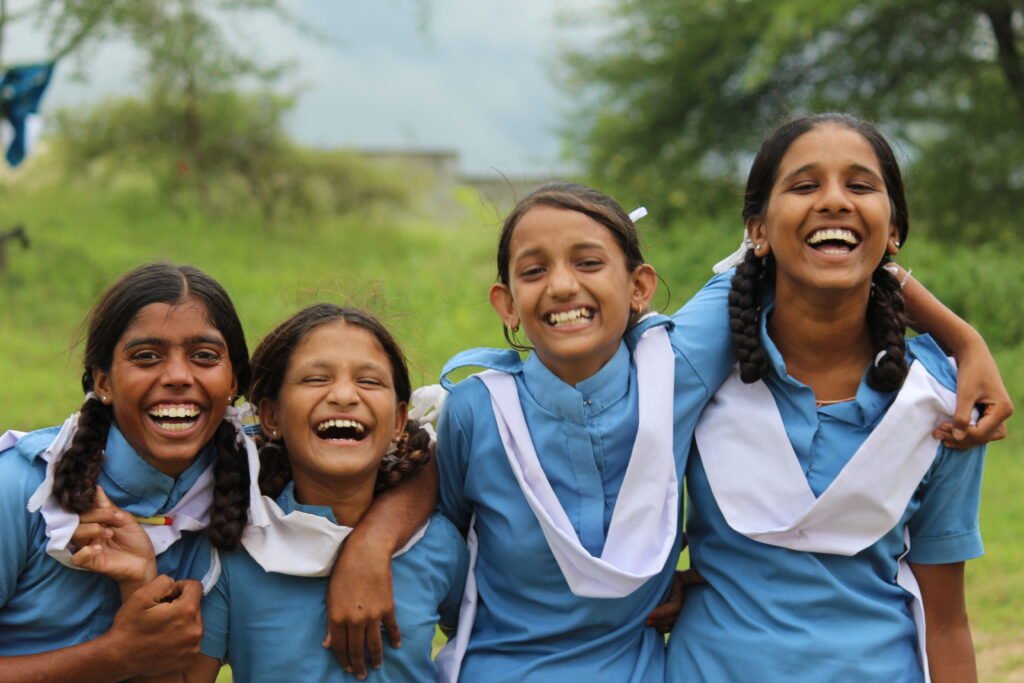
Today, Sandhan is recognized as a resource agency, especially in Adolescent and Life Skills Education (LSE). It has transitioned from large-scale project implementation to a more strategic role involving research, training, evaluation, and advocacy. The organization emphasizes gender equity, health, nutrition, and livelihood within the broader educational framework, while working closely with government bodies, NGOs, and community-based organizations.
Amid growing challenges of marginalisation, exclusion, and youth disempowerment, Sandhan is addressing contemporary issues by creating contextualised training modules, frameworks for monitoring, and empowering adolescents to take ownership of their lives.
Its work now spans Kasturba Gandhi Balika Vidyalayas (KGBVs), Sarva Shiksha Abhiyan (SSA), and several community-based programs.
Sandhan’s current mission is to promote inclusive, equitable education through holistic, sustainable approaches that link policy with grassroots realities—ensuring voices from the margins are heard and acted upon. Looking ahead, livelihood and skill-based initiatives are key future endeavors for Sandhan, aimed at empowering adolescents and communities for sustainable development and self-reliance.